Dubai real estate has spent the past three years quietly outperforming nearly every major global market. Heading into 2026, the question for investors is no longer whether the city is on the map — it's whether the run can continue, and how to participate without overpaying.
A market that has matured, not cooled
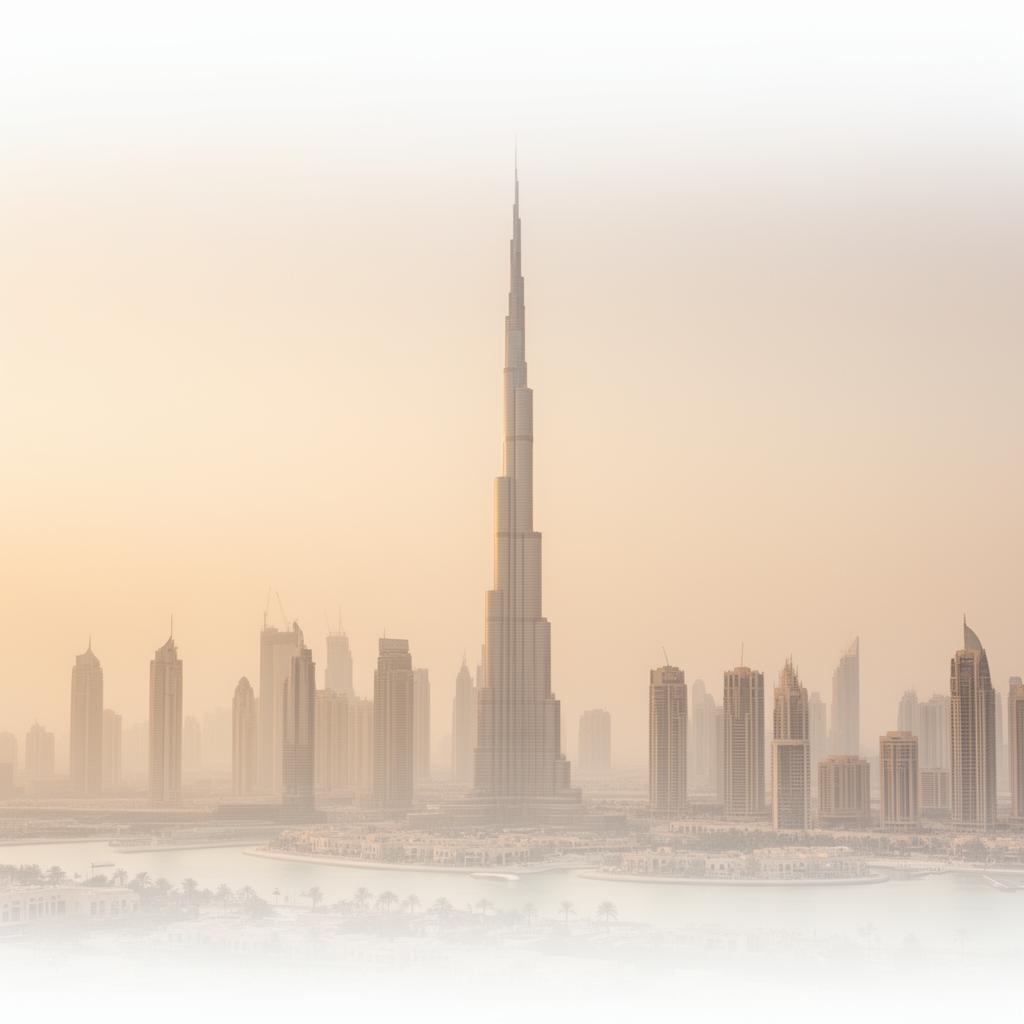
Since 2023, Dubai has recorded successive record years for transaction volumes, sales values and off-plan launches. Prime areas like Palm Jumeirah, Downtown Dubai and Dubai Marina have seen capital appreciation north of 60% over a three-year window, while mid-market communities such as JVC, Town Square and Dubai South have absorbed the bulk of end-user and first-time investor demand.
What's changed in 2026 is the composition of the market. Speculative flipping has cooled, mortgage penetration has grown, and end-user buyers now make up the majority of transactions in established communities. That structural shift typically signals a market moving from cyclical heat to long-term durability.
Rental yields remain a global outlier
Gross rental yields in Dubai continue to average 7-9% across well-located apartments, with select studios and one-bedroom units in JVC, Business Bay and Dubai South printing double digits. Compare that to London (3-4%), New York (3%) and Singapore (2-3%) and the income case writes itself.
Net of service charges and management fees, investors typically clear 5-7% — and unlike most global markets, that yield is paid in a stable, USD-pegged currency with no income tax applied at source.
Foreign demand keeps deepening
Capital inflows from India, the UK, Russia, China and increasingly the broader GCC have made Dubai the world's most internationally diversified residential market. The DLD's 2025 transaction data showed buyers from more than 150 nationalities, with first-time foreign investors accounting for a record share of activity.
Population growth reinforces the rental side of the equation. Dubai added more than 170,000 residents in the past 12 months and is on track to exceed 4 million by 2027 — and every new resident is, by definition, a tenant or a buyer.
Golden Visa and infrastructure tailwinds
The expansion of the 10-year Golden Visa to property investors at the AED 2 million threshold continues to anchor long-term foreign demand. Combined with full foreign freehold ownership, zero capital gains tax and zero income tax, Dubai offers a regulatory package that few global cities can match.
Infrastructure delivery is equally aggressive: the Etihad Rail passenger network, the Blue Line metro extension, Al Maktoum International expansion and the Dubai 2040 Urban Master Plan are all reshaping where future demand will concentrate. Investors who position ahead of these corridors have historically captured outsized appreciation.
Fractional ownership has changed who can participate
For most of Dubai's history, participating in this market generally requires AED 500,000 or more in equity, plus mortgage qualification and the time to manage tenants. Fractional ownership, regulated by the DFSA, has compressed that entry point to AED 1,000 — making it possible to own a share of professionally managed, income-generating Dubai property without taking on a single property's concentration risk.
This is what makes the 2026 setup different from previous cycles. The same fundamentals that historically benefited a narrow pool of HNW buyers are now accessible to retail investors building positions month by month.
Risks investors should weigh
No market is without risk. The largest near-term watch-items for Dubai are off-plan supply concentration in 2026-2027, sensitivity to global rate cycles affecting mortgage demand, and the typical service-charge inflation that affects net yields. Insurance, regulation around short-term rentals and broader geopolitical risk in the region also warrant ongoing monitoring.
A practical mitigation: focus on income-producing, ready-to-rent assets in supply-constrained communities rather than speculative off-plan in saturated zones, and diversify across properties rather than concentrating in one.
The 2026 outlook
Expect price growth to normalise from double-digit highs into a steadier mid-to-high single-digit range, with rental yields holding firm thanks to population growth. The story for 2026 is less about a runaway boom and more about a maturing, increasingly institutional market with strong income fundamentals.
For investors prepared to build positions consistently — rather than time tops and bottoms — Dubai real estate remains one of the most asymmetric income-plus-appreciation opportunities in global property today.